
Are you looking to understand all the parts of a garage door opener? This detailed breakdown covers every key component to help you make informed repair or replacement decisions.
A garage door opener is more than just a motor. It’s a system made up of several parts that work together to open and close your garage door. Understanding these parts can help you fix problems, take care of your opener, or explain issues to a repair person.
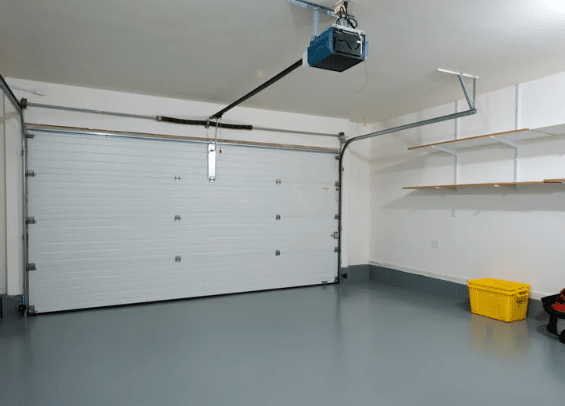
Whether you’re experiencing an unusual noise or inconsistent performance, understanding the parts of a garage door opener can save you time and money. Informed homeowners are better positioned to spot signs of wear and choose cost-effective repairs.
In this guide, we’ll explain all the essential parts of a garage door opener, their functions, and what to watch out for if they start failing. With garage technology evolving, having up-to-date knowledge in 2025 ensures better safety, reliability, and longevity.
Core Parts for a Garage Door Opener System
A garage door opener is a complex system made up of several key components, each playing a vital role in smooth, safe, and reliable operation. Here’s a breakdown of the core parts and what they do:
1. Motor Unit
The motor unit is the powerhouse of the system, responsible for generating the force needed to raise and lower the garage door.
- AC motors are durable but tend to be louder.
- DC motors are quieter, more energy-efficient, and often support soft start/stop functions for smoother operation.
- The motor’s horsepower rating should match the weight and size of your garage door.
2. Rail and Trolley System
This long track connects the motor to the garage door. The trolley rides along the rail and is linked to the door arm.
- As the motor activates, the trolley moves along the rail, opening or closing the door.
- Damage or misalignment can cause noisy operation or uneven door movement.
3. Drive Mechanism (Chain, Belt, or Screw)
The drive mechanism connects the motor to the trolley and determines how motion is transferred.
- Chain Drive: Strong and affordable; tends to be louder—best for detached garages.
- Belt Drive: Operates quietly and smoothly; ideal for attached garages and premium systems.
- Screw Drive: Uses a threaded rod; fewer moving parts but more sensitive to temperature changes—well-suited for wide, heavy doors.
Each type influences the system’s noise level, maintenance needs, and longevity.
4. Safety Sensors (Photo Eyes)
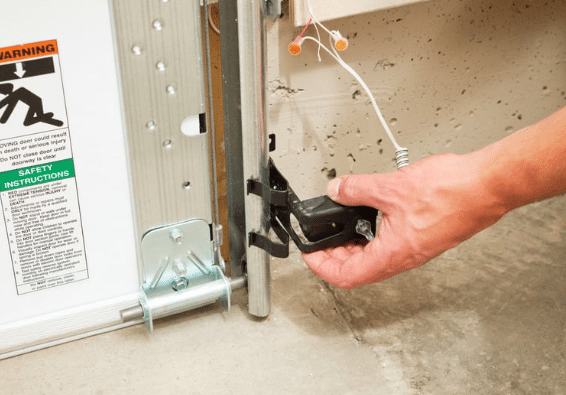
Installed near the bottom of each garage door track, these sensors emit an invisible beam across the opening.
- If something interrupts the beam, the door will stop or reverse to prevent injury or damage.
- A misaligned or dirty sensor is a common cause of door malfunctions.
5. Remote Controls and Keypads
These wireless devices allow for convenient operation of the garage door from inside your car, home, or exterior entry.
- Most modern remotes use rolling code technology, which changes the access code after every use to prevent hacking.
- Exterior keypads provide access with a secure PIN.
6. Wall Console (Wall Station)
Mounted inside the garage, this control panel provides manual operation of the door and additional functions:
- Open/close the door
- Control opener lights
- Activate “vacation lock” modes or program remotes (depending on model)
7. Emergency Release Cord
The red cord hanging from the trolley mechanism is the emergency release.
- Pulling this cord disengages the door from the opener, allowing manual operation in the event of a power failure or opener malfunction.
- Every homeowner should know how and when to use this critical safety feature.
8. Gears and Sprockets
These internal mechanical parts transfer energy from the motor to the drive system.
- Over time, wear and tear can cause grinding noises, jerky movement, or total loss of function.
- Regular inspection and lubrication can help extend their lifespan.
Optional and Smart Parts for a Garage Door Opener
Modern garage door openers can do much more than just open and close your door. With the integration of smart technology and optional accessories, these systems offer enhanced convenience, security, and energy efficiency. Here are some of the most useful add-ons available today:
1. Backup Battery
A backup battery ensures your garage door opener remains operational even during a power outage.
- Why it matters: In the event of a blackout or severe weather, you can still open and close your garage door without manually disengaging the system.
- Most backup systems provide enough power for 20–50 cycles over 24 hours.
- Particularly valuable in regions with frequent storms or unreliable power supply.
2. Smart Wi-Fi Modules
Wi-Fi-enabled garage door openers give you full remote control and monitoring capabilities through mobile apps.
- Key features include:
- Open and close your garage from anywhere
- Receive real-time alerts when the door opens or closes
- Set schedules for automatic closing
- Share access with family or delivery services
- Open and close your garage from anywhere
- Compatible with smart home platforms like myQ®, Google Assistant, Alexa, and Apple HomeKit (depending on the model).
3. Integrated LED Lighting System
Many newer opener models now include built-in LED lighting for better visibility and energy efficiency.
- Benefits:
- Longer lifespan than traditional bulbs
- Lower energy consumption
- Instant full brightness—no warm-up time
- Some systems offer motion activation or remote light control via smart apps
- Longer lifespan than traditional bulbs
- Enhanced illumination is especially helpful for dim garages or when working on vehicles and home projects.
When to Replace Specific Parts for a Garage Door Opener
Garage door openers are built to last, but like any mechanical system, individual components will wear out over time. Recognizing the signs of wear can help prevent breakdowns and costly emergency repairs.
Common Signs a Part Needs Replacement
Be on the lookout for these warning signs, which may indicate that specific parts are failing:
- Grinding or squealing noises: Often caused by worn gears, sprockets, or dry drive components.
- Delayed or inconsistent door movement: May point to a stretched chain, worn belt, or slipping trolley.
- Door not opening or closing fully: Could be due to faulty limit switches, damaged sensors, or rail misalignment.
- Blinking lights or error codes on the opener: Usually indicate sensor misalignment, logic board issues, or force limit problems.
- Remote or wall button unresponsive: May signal a failing circuit board, damaged wiring, or dead batteries.
When to Replace Specific Parts
- Chains & Belts: Replace when stretched, frayed, or producing excess slack. Typically, every 8–10 year,s depending on usage.
- Safety Sensors: Replace if lenses are cracked, misalignment persists, or the beam fails even after cleaning.
- Gears & Sprockets: Replace if the opener makes noise but the door doesn’t move—often a sign of internal wear.
- Trolley & Rail System: Replace or repair if the trolley wobbles, sticks, or disconnects unexpectedly.
- Backup Battery: Replace every 2–3 years or when the opener’s battery indicator flashes low.
Should You Repair or Replace the Whole System?
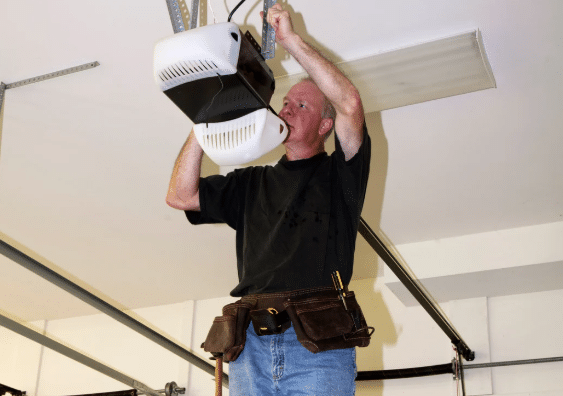
Suppose your garage door opener is over 10 years old and you’re experiencing frequent issues with multiple components. In that case, it may be more economical to replace the entire unit rather than invest in repeated part replacements.
- Newer models offer improved energy efficiency, quieter operation, and smart technology integration.
- A qualified technician can evaluate the cost-benefit of repair vs. replacement and recommend the most practical solution.
Importance of Professional Diagnosis and Installation
While understanding the parts of a garage door opener helps you troubleshoot issues, professional installation or repair is always recommended for safety and long-term performance. Certified technicians ensure each part is correctly aligned, tensioned, and integrated for optimal functionality.
Companies like BSD Garage Doors offer thorough inspections, reliable replacements, and expert guidance to help you maintain or upgrade your opener system effectively.
Frequently Asked Questions
Does a garage door opener need to be on a separate circuit?
Yes, it’s recommended that a garage door opener be on its own dedicated circuit. This helps prevent electrical overload and ensures reliable operation without interference from other appliances.
Do garage door openers need maintenance?
Yes, regular maintenance helps keep your garage door opener running smoothly. This includes checking the chain or belt, testing safety sensors, and lubricating moving parts at least once a year.
How do you know when to replace your garage door opener?
You may need to replace your opener if it’s over 10–15 years old, makes excessive noise, lacks safety features, or operates inconsistently. Frequent breakdowns or trouble opening and closing are signs it’s time for a new one.
How long do garage door openers last?
Garage door openers typically last 10 to 15 years with regular use and proper maintenance. Higher-end models with quality parts may last even longer.
Conclusion
Understanding the parts of a garage door opener empowers homeowners to identify issues early, choose the right upgrades, and extend the life of their system. Each component plays a key role in the smooth operation and safe use.
Staying informed helps you avoid costly mistakes and ensures you’re only replacing what’s necessary. Regular inspections and prompt repairs are your best bet for keeping everything running as it should.
If you’re unsure where to start, BSD Garage Doors offers trusted expertise, quick diagnostics, and reliable service to handle any opener-related concern.
End Note
BSD Garage Doors is your reliable source for professional garage door opener repairs, replacements, and upgrades. Our team uses only top-grade components and guarantees every job meets industry standards for safety and quality.
Visit BSD Garage Doors to learn more about our expertise and customer-first approach. Check out our About Us page for a deeper look into who we are. We proudly serve Naperville and beyond, offering everything from garage door repairs to new installations.
Explore our list of service areas, including Naperville and Barrington. For transparent pricing, visit our pricing page, and follow us on Facebook, Twitter, and LinkedIn. When you’re ready, use our online booking tool to schedule your next appointment.
BSD Garage Door, LLC
955 West 75th Street, Naperville, IL, 60565, United States
+16305181962
