
A damaged garage door panel can weaken safety, reduce curb appeal, and change how smoothly your door opens and closes in Naperville, IL. Many homeowners compare garage door repair versus replacement when a dent, crack, or bent section affects the door’s structure or alignment.
The average cost may depend on your door’s material, insulation level, model match, and the scope of labor required to restore stable operation. This guide breaks down what drives pricing so you can understand whether a single-panel swap, multi-section work, or a larger replacement is the best fit for your door.
Is Garage Door Panel Replacement Always the Same Price in Naperville, IL?
Garage door panel replacement is not priced the same every time because doors vary by age, structure, and how a damaged section affects alignment, balance, and overall operation, which means two panels that look similar can require very different service scopes.
Common reasons pricing differences occur include:
- One door may only need a single panel, while another requires a more involved panel replacement due to a structural shift.
- A damaged garage door panel may be cosmetic in one case but affect door movement in another.
- The condition of the hardware and the garage door opener can influence how smoothly the door cycles after installation.
- Older models may limit match options, which can change how the replacement section is sourced.
- The overall condition of your garage door determines whether the repair remains isolated or expands into broader adjustments.
To understand the difference between repairable damage and replacement-level issues, read our guide on Damaged Garage Door Panel: Repair vs Replacement Guidance, which explains how technicians assess door condition and scope.
Key Factors That Influence Garage Door Panel Replacement Cost
Garage Door Panel Material and Door Type
Panel material and door style influence how a replacement section is sourced, handled, and aligned during service in Naperville, IL.
Material-driven pricing patterns often include:
- Steel sections that require an exact gauge and profile match for clean alignment across the opening.
- Wood sections that can involve finish blending and tighter tolerances to maintain a consistent surface.
- Composite builds that may need brand-specific reinforcement to keep sections rigid over time.
- Aluminum or glass styles that demand a precise fit to reduce flexing and uneven travel.
- Wider doors that add handling complexity due to panel size and weight distribution.
Clopay explains how steel door construction affects dent resistance and insulation, which helps show why panel material can change scope and pricing.
Brand Match and Panel Availability
Brand compatibility affects how easily a matching panel can be identified and integrated without uneven seams or mismatched lines.
Availability problems usually show up through:
- Older product lines that no longer have identical sections in current catalogs.
- Profile differences that make near-match panels sit unevenly at the joints.
- Window layouts that require the same cutout spacing to keep the door symmetrical.
- Special finishes that limit the options for selecting product families.
- Order constraints that change scheduling and coordination for service completion.
If matching sections are no longer available, comparing costs with a new garage door can help determine the more practical long-term solution.
Insulation Level and Panel Weight
Insulation changes panel weight and rigidity, which can affect balance, hardware strain, and how smoothly the door runs after replacement.
Weight-related cost influences often include:
- Non-insulated sections that are lighter and simpler to handle during a swap.
- Polystyrene-insulated builds that add moderate weight and require consistent section matching.
- Polyurethane-insulated designs that increase rigidity and can change load distribution across the door.
- Reinforcement needs increase as panel weight rises, especially on larger doors.
- Balance verification becomes more important on heavier doors to protect long-term performance.
Heavier insulated panels can increase system load, which is why reviewing electric garage door openers helps explain performance and strain differences.
Finish Matching and Door Style
Finish and style requirements affect how well the updated door blends visually, especially if the existing surface shows age, fading, or sun exposure.
Appearance-related scope drivers commonly include:
- Color matching must account for uneven aging across sections.
- Texture matching, such as embossed woodgrain, varies by manufacturer line.
- Window insert consistency to keep grid spacing uniform across the door.
- Decorative hardware alignment that must sit correctly after the panel is installed.
- Neighborhood consistency, where a clean match helps protect curb appeal.
A seamless match typically requires a panel that matches the existing sections in embossing pattern, finish system, and design geometry.
How Many Panels Are Involved
The number of sections affected changes the labor scope and the likelihood of added alignment work across the door width.
Panel-count scenarios often include:
- One isolated section that can be replaced without chasing mismatch lines across the full door.
- Multiple adjacent sections that can change how the door seats at hinges and joints.
- Spread impact where a visible dent also leads to slight bowing in nearby sections.
- Bottom-section damage that often involves higher-stress contact points.
- Uniformity concerns where one new section makes older sections stand out more.
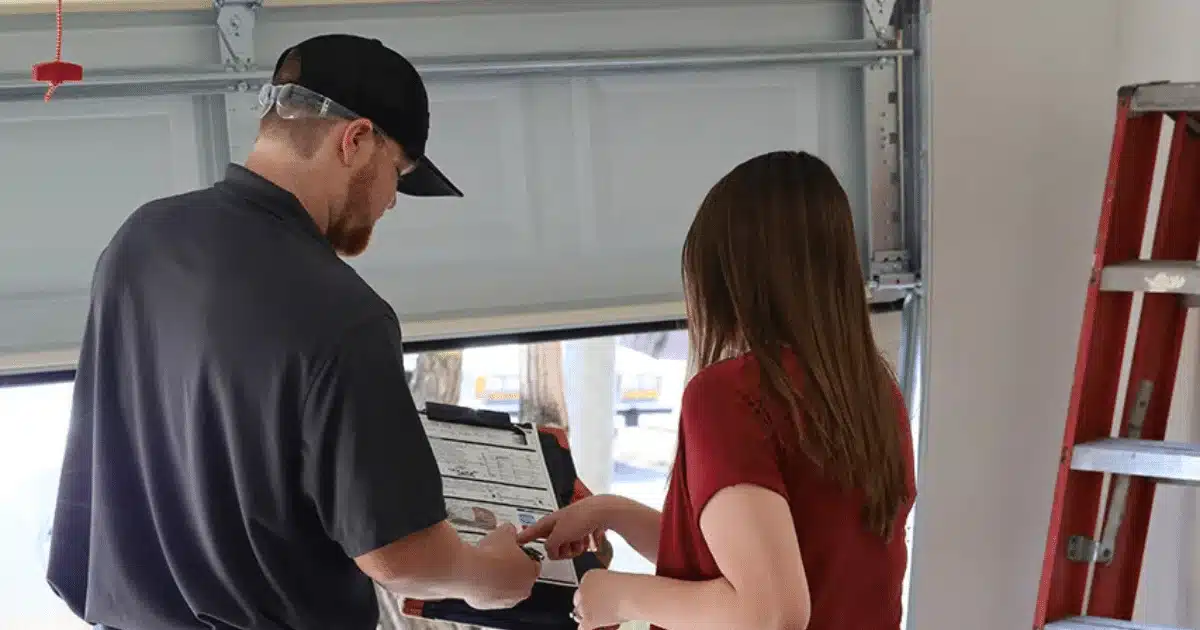
Scope planning tends to be more accurate once damage is mapped across joints, hinge points, and the full span of the door.
Extra Work From Related Damage
Panel damage can trigger secondary issues that increase the scope even if the surface dent looks limited from the driveway.
Secondary-condition signals often include:
- Hinge distortion that prevents clean folding through the track radius.
- Roller drag that increases resistance and wear during travel.
- Track misalignment that forces rubbing and accelerates hardware strain.
- Strut adjustments are needed to keep the updated section flat and stable.
- Opener strain, where added resistance changes how smoothly the system starts and stops.
The International Door Association explains how to ensure home repairs are done right, which supports getting written scope details when panel damage also affects hardware.
Garage Door Panel Repair vs Replacement
The right path usually comes down to how the damage affects safe operation and whether the section can be restored without creating future alignment or reliability issues in Naperville, IL.
|
Factor |
Garage Door Panel Repair |
Garage Door Panel Replacement |
|
Typical Damage Type |
Small dents, small scratches, or minor damage |
Broken panel, deep bend, or a damaged panel that will not sit flat |
|
Goal of the Work |
Improve the function or the door’s appearance without changing the section |
Restore structure and fit by installing a replacement panel |
|
Best Fit for Door Condition |
Best choice if the rest of the door is in good condition |
Better option if one section is compromised, but the rest of the door is stable |
|
Match and Door’s Appearance |
Finish blending may vary across older surfaces |
Cleaner, more uniform look if the replacement section matches the garage door model |
|
Fit, Alignment, and Travel |
Works if seams stay even and travel stays smooth |
Restores straight travel when the section is warped or misaligned |
|
Risk of Repeat Issues |
Can return if the panel remains weakened |
Lower once the weakened section is replaced and aligned correctly |
Repair feasibility and realistic limits are covered in our guide on Can a Garage Door Panel Be Repaired in Naperville, IL?, which explains how technicians assess door stability and match requirements before recommending next steps.
How Damaged Garage Door Panels Can Increase Repair Scope
Damaged garage door panels may require more than a surface correction when the impact alters alignment, creates gaps, or adds strain on the lift hardware the door relies on for safe, smooth travel.
- Section misalignment can create uneven seams that disrupt straight travel and sealing.
- Panel bowing can make the door flex during operation and reduce structural stability.
- Hinge and roller strain can increase drag and accelerate wear across the lift path.
- Track contact points can develop after an impact, worsening noise and resistance.
- Garage door opener load changes can lead to stalling, rough movement, or incomplete cycles.
Scope is easier to confirm once the full lift path has been checked for drag, misalignment, and added strain, which is why a garage door tune-up can determine whether the damage is isolated or already affecting hardware performance.
When Garage Door Panel Replacement Is the Better Option
Panel replacement is often the better option when damage affects structure, fit, or safe operation, and a matching section can restore performance without committing to an entire door update.
- A broken panel prevents the section from sitting flat and compromises safe travel.
- Visible damage with bending changes alignment and creates uneven seams between sections.
- A single garage door panel is compromised, but the rest of the door remains in good condition.
- Match availability is confirmed for the current garage door model, supporting a clean replacement section fit.
- A damaged garage door panel adds strain to hinges, rollers, or the garage door opener during daily cycling.
The replacement timing signals are discussed in our blog on When Should You Replace a Garage Door Panel in Naperville, IL?, which explains the early warning signs that often indicate replacement is the better option.

Plan Your Garage Door Panel Replacement With Confidence
Garage door panel replacement costs can vary because the average cost depends on panel material, door model match, insulation level, and finish requirements. Related hardware strain can also change scope, especially when a damaged section affects alignment and smooth travel.
BSD Garage Door supports homeowners in Naperville, IL, with clear evaluations and accurate panel compatibility checks. We help you choose the best move for safe, reliable performance, so contact us or call us today to schedule an inspection and get straightforward guidance afterward.
