
Garage door technology has seen meaningful advancements in recent years. While handheld remotes and traditional wall switches still exist, more homeowners are switching to smarter, more secure systems. One feature gaining attention is the wall mounted garage door remote. Designed for convenience, security, and functionality, it simplifies garage access.
Unlike portable clickers that can be misplaced or run out of battery, wall-mounted garage door remotes offer permanent placement, easy accessibility, and consistent performance. They also support multiple garage doors, programmable settings, and in many cases, smart home integration. These remotes are becoming a go-to choice for homeowners looking to upgrade their garages.
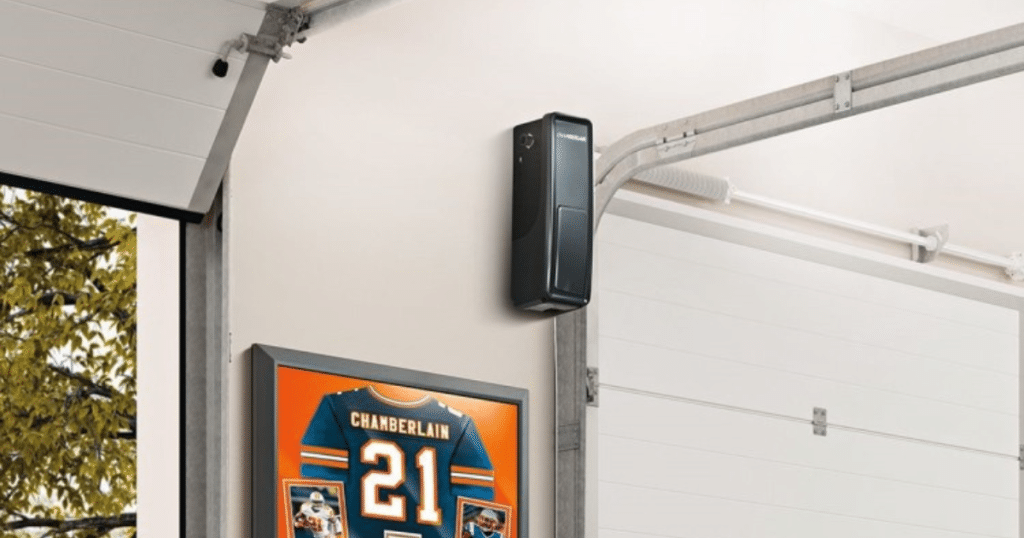
Installing a wall-mounted garage door remote is not just about aesthetics or convenience. It is a practical step toward improving safety, efficiency, and home value. With modern models offering enhanced features and security measures, it’s easy to understand why this upgrade is gaining popularity.
Why a Wall-Mounted Garage Door Remote Makes Sense
Wall-mounted garage door remotes are designed to provide homeowners with dependable control in a central, fixed location. They eliminate the need for handheld remotes and reduce the risk of loss or malfunction. Having your remote mounted securely inside your garage or near the main door also keeps access more secure from unauthorized users.
Some models offer programmable functions like vacation lockout modes, timer-to-close features, and lighting control. These options are particularly helpful in multi-user households or high-traffic garages. In addition to boosting security, they also help prevent accidents by automatically closing doors after a set period.
For homeowners who value efficiency, the quick access provided by a wall-mounted garage door remote is a standout feature. Whether you’re managing access for kids, deliveries, or multiple cars, it adds significant practicality to your daily routine.
Key Features to Look for in a Wall-Mounted Remote
When selecting a wall-mounted garage door remote, focus on features that align with your garage needs. Compatibility with your garage door opener is essential. Always verify that the remote is compatible with your specific model or brand before purchasing.
Modern remotes often include backlit buttons, wireless connectivity, and multi-door support. Look for safety options such as motion-activated lighting or door lockout settings. Some advanced models connect with your smartphone, allowing remote access and alerts.
Installation requirements can vary. Most units are easy to mount and program, but ensure you follow the manufacturer’s installation instructions carefully or consult a professional if needed.
Installation Tips for Better Performance
Mount your remote at a height that’s easy to reach for all users but out of reach of small children. A good rule of thumb is around 5 feet from the ground. If your system allows, choose a spot near the entrance from your house to the garage for easy access.
Ensure that your garage door opener is powered off before installation. After mounting, program your wall remote according to the instructions. If your model supports wireless pairing, this step can be done quickly without rewiring.
Keep your wall-mounted garage door remote clean and check its function periodically. A malfunctioning remote can be a safety concern. Regularly inspect the buttons and replace batteries (if applicable) to maintain peak performance.
Common Issues and How to Fix Them
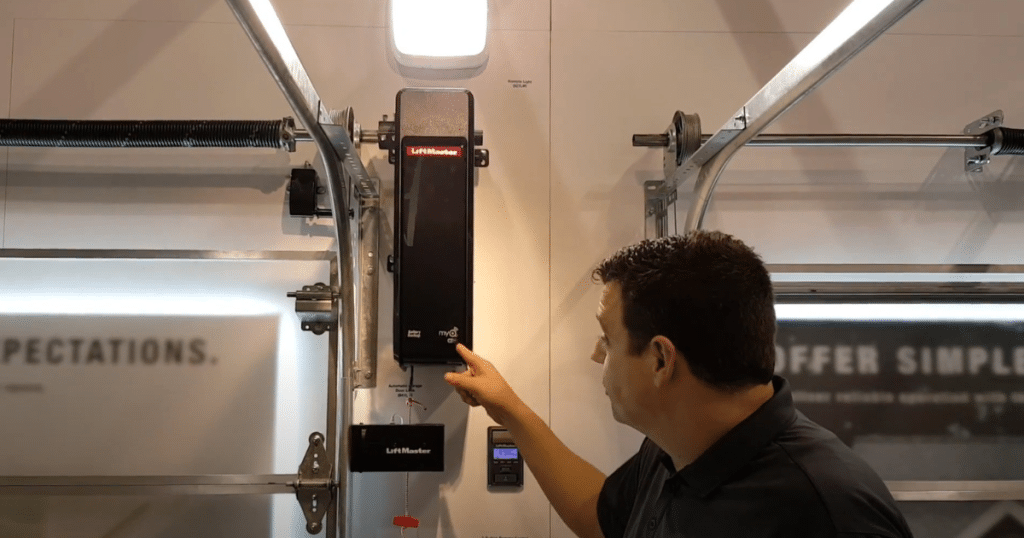
Wall-mounted garage door remotes offer convenient access, but like any device, they can occasionally fail. Understanding the most frequent causes and their solutions helps you restore functionality quickly and safely.
1. Non-Responsive Remote
If your wall-mounted remote stops responding, begin by checking whether the garage door opener works with other inputs, such as handheld remotes or keypad entries. If none of them operate the opener, the issue likely lies with the opener unit itself rather than the remote.
If only the wall remote is unresponsive:
- Battery-Powered Remotes: Replace the batteries with fresh ones. Old or corroded batteries can cause intermittent operation.
- Hardwired Remotes: Inspect the wiring. Use a screwdriver to remove the wall unit’s cover and verify that the wires are securely connected to the terminals. Look for signs of fraying, corrosion, or disconnection.
2. Wiring Issues (for Hardwired Units)
Hardwired wall controls depend on low-voltage wiring that runs from the switch to the opener. Damage to these wires—whether from age, pests, or physical impact—can interrupt the signal.
Fix:
- Carefully trace the wire along the garage ceiling or wall and check for breaks or exposed copper.
- Use a voltage tester or multimeter to confirm signal continuity.
- If damage is found, you may need to replace the wiring or have a technician rewire the connection.
3. Signal Interference (for Wireless Units)
Wireless wall remotes, though rare, can be affected by interference from nearby electronics or metal surfaces. Devices such as routers, cordless phones, or microwaves may disrupt the signal.
Fix:
- Move other electronic devices away from the remote if they’re within close range.
- Avoid placing the remote near large metal cabinets or tools that might reflect or block wireless signals.
4. Programming Errors or Memory Loss
If the wall remote has been disconnected from power for a long time or suffered a power surge, it might lose its programming.
Fix:
- Refer to your garage door opener’s manual to reprogram the wall unit. Typically, this involves pressing a “Learn” button on the opener and syncing it with the remote.
- Be sure to follow the exact timing instructions during programming, as missing a step can prevent successful pairing.
5. Dirty or Damaged Buttons
Over time, dust, grime, and repeated pressing can wear down the buttons or cause internal residue to build up, especially in older units.
Fix:
- Gently clean around the buttons using a soft cloth and a small amount of rubbing alcohol.
- Avoid using excess moisture, which could damage internal circuitry.
- If buttons remain stuck or fail to click properly, the unit may need to be replaced.
6. Environmental Damage
Garage environments are often exposed to moisture, dust, and temperature extremes. Over time, these conditions can degrade electronic components or wiring insulation.
Fix:
- Inspect the wall control unit for signs of rust, mildew, or heat damage.
- Consider replacing older units with newer models rated for more rugged environments, especially if your garage is not climate-controlled.
Safety Considerations with Wall-Mounted Garage Door Remotes
Using a wall-mounted garage door remote adds convenience, but it must be installed with safety in mind. Avoid placing it where unauthorized individuals can access it, particularly if your garage connects directly to your home.
Enable features like vacation lockout or keypad security if your remote supports them. These settings ensure that even if someone tries to access the garage, the door will remain locked from remote control use.
Routine testing of your safety sensors and door balance is also recommended. A remote cannot operate safely if the door mechanism is malfunctioning. Always ensure your garage door system is well-maintained.
Frequently Asked Questions
Are wall-mounted garage door remotes compatible with smart home systems?
Yes, many modern wall remotes integrate with smart home platforms, allowing remote access, scheduling, and app-based control.
Can I install a wall-mounted remote myself?
Yes, most homeowners can install these remotes using basic tools. However, if wiring or compatibility is complex, professional installation is advised.
What should I do if my wall-mounted garage door remote stops working?
Check for dead batteries (if applicable), wiring issues, or interference. You may also need to reprogram the remote following the user manual.
Are wall-mounted remotes safer than handheld remotes?
In many cases, yes. Wall-mounted remotes are less likely to be lost or stolen and often include additional safety features such as lockout modes.
Conclusion
A wall-mounted garage door remote is a smart, affordable way to enhance your garage’s functionality and security. With options ranging from basic models to advanced smart units, there is a solution for every type of garage and household need.
Upgrading your system to include a wall remote helps simplify daily tasks, provides better access control, and often increases the overall efficiency of your garage setup. The convenience alone makes it a worthwhile investment for busy homeowners.
For optimal performance and long-term reliability, consider professional support when choosing or installing your remote. BSD Garage Doors provides the expertise, guidance, and quality service needed to ensure your garage system works safely and efficiently.
End NOTE
BSD Garage Doors is your trusted source for professional garage solutions throughout Illinois. Whether you’re looking to upgrade to a wall-mounted garage door remote or need keypad repair, BSD delivers top-tier service and expert support.
We proudly serve homeowners with a full range of garage services in Naperville, including keypad repairs, door repairs, and door replacement in Woodridge. Check out our full service areas to see if we cover your location.
View our pricing, or use our easy online booking tool to schedule service. Stay connected by following us on Facebook, Twitter, and LinkedIn. BSD Garage Doors is here to help you get the most out of your garage door system.
BSD Garage Door, LLC
955 West 75th Street, Naperville, IL, 60565, United States
+16305181962