
Learn all about single-panel garage doors – what they are, how they work, and why they might be right for you. Get all the info you need!
A single-panel garage door is a traditional one-piece door that opens by swinging outward and upward in a single motion. Unlike modern sectional doors, it doesn’t break into smaller segments. Instead, the entire panel lifts to provide full garage access. While this style was more common in earlier home designs, it’s still favored today for its simplicity and cost-effectiveness.
Single-panel garage doors operate using either a hinge system mounted on the sides or a spring-loaded track system. Their straightforward structure makes them easier to install and maintain, particularly in garages with limited side clearance. They also allow homeowners to achieve a more seamless, uninterrupted door surface, ideal for specific architectural styles.
Understanding the pros and cons of a single-panel garage door helps homeowners decide whether this option suits their space, lifestyle, and budget. This guide also offers style inspiration and addresses frequently asked questions to help you make an informed decision.
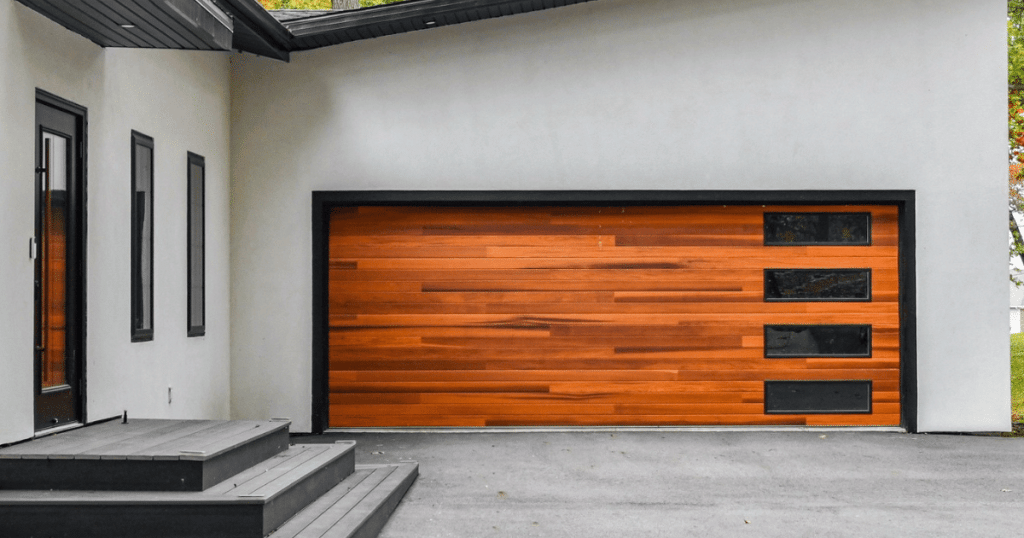
Why Choose a Single-Panel Garage Door? Key Advantages to Know
Single-panel garage doors offer several benefits that appeal to cost-conscious and style-focused homeowners alike. Here’s why you might consider this option:
Cost-Effective Solution
One of the most compelling advantages of choosing a single-panel garage door is its affordability. Fewer materials, minimal hardware, and a straightforward installation process result in a lower initial cost. Ongoing expenses stay manageable, as the simpler structure often leads to fewer repairs. This design offers significant short- and long-term savings for those working within a budget or seeking value without sacrificing quality.
Clean, Simple Aesthetics
A solid, uninterrupted panel delivers a clean and cohesive appearance. The uniform surface enhances architectural styles that prioritize simplicity, such as mid-century modern, ranch, and minimalist homes. A single-piece door also provides an ideal backdrop for custom finishes or unique textures, allowing homeowners to personalize the look visually, yet tastefully.
Fewer Moving Parts, Less Maintenance
Mechanically, a single-panel door operates with fewer components compared to multi-panel or sectional designs. With fewer springs, tracks, and joints involved, there are fewer opportunities for wear and breakdown. This straightforward construction often results in a longer-lasting product, assuming regular upkeep. Homeowners looking to reduce time and costs associated with maintenance may find the simplicity especially advantageous.
Reliable Performance and Timeless Appeal
Beyond functional benefits, the single-panel door offers a classic charm that resonates with many homeowners. The design is straightforward but not outdated, making it suitable for modern upgrades and vintage restorations. Combining reliability with visual appeal, the single-panel option is both a practical investment and an architectural enhancement.
Drawbacks of Single-Panel Garage Doors to Consider
While there are benefits, limitations are also associated with a single-panel garage door. Here are the most important things to keep in mind:
Requires Clearance to Open
One of the most notable functional differences involves how the door operates. A single-panel garage door tilts outward and upward in one solid motion, extending beyond the frame during opening. Homes with limited driveway space, steep inclines, or regular vehicle traffic may find this design less practical. Unlike sectional doors that rise vertically along tracks, the outward swing requires more room in front of the garage, potentially interfering with parked cars, landscaping, or nearby walkways.
Safety and Weight
Many older single-panel garage doors are made from solid wood or heavy steel, which are significantly heavier than modern sectional alternatives. Without updated mechanisms or safety enhancements, these doors can present challenges during manual operation. In some cases, models lacking newer safety features, such as auto-reverse sensors or pinch protection, may pose risks to children, pets, or inattentive users. While modern versions can include updated hardware, older installations may require significant upgrades to meet current safety standards.
Harder to Replace in Sections
When damage occurs, single-panel doors are less forgiving than sectional models. Dents, warping, or cracks typically affect the entire structure. Garage door repairs often require complete door replacement rather than swapping out individual segments. This can lead to higher costs in the long run, mainly if physical damage is localized. For homeowners concerned with maintenance flexibility or aiming to extend the life of a garage door through minor fixes, the single-panel design offers fewer options.
Design Ideas for a Stylish Single-Panel Garage Door
Single-panel garage doors offer a lot of flexibility in terms of design. Here are a few popular styles:
Wood or Wood-Look Finishes
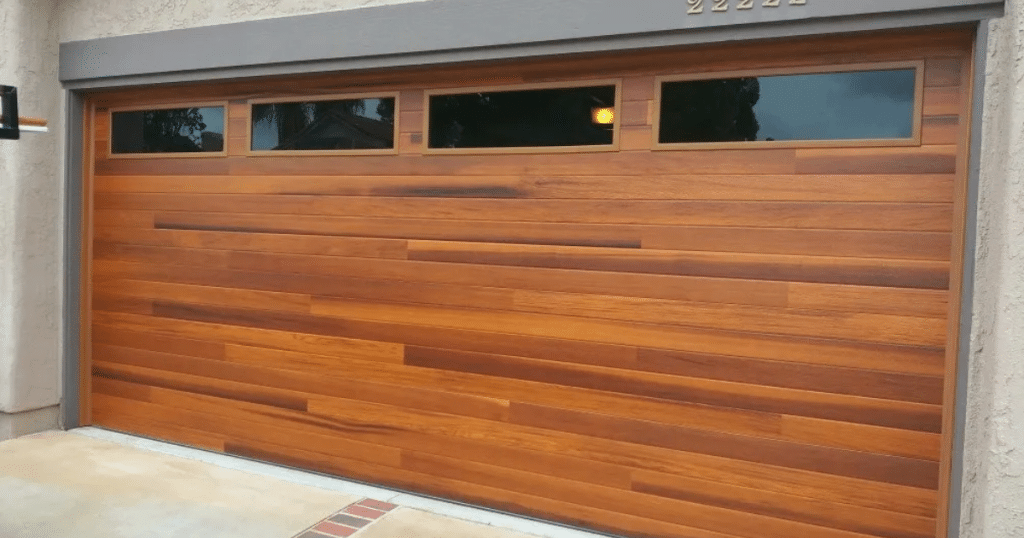
Few materials match the inviting look of natural wood. A single-panel door made from real hardwood—or designed with a convincing wood-look composite—can bring warmth and richness to the front of a home. Grain patterns and warm tones complement Craftsman, Colonial, and traditional architectural styles. Choosing a stained finish rather than painted wood allows the natural texture to shine, adding a sense of craftsmanship and heritage.
Sleek Modern Metal
For homeowners who prefer a minimalist or industrial aesthetic, a metal single-panel garage door provides a sleek and striking option. Steel or aluminum panels finished in matte black, charcoal, or brushed silver give off a bold, architectural edge. This clean, uninterrupted surface fits seamlessly with modern and contemporary homes, particularly with minimalist landscaping and geometric exterior lines.
Frosted Glass Inserts
Incorporating frosted or tinted glass panels can add elegance and allow natural light into the garage without sacrificing privacy. Depending on the layout, glass inserts can be installed in a horizontal row at the top of the door, vertically down one side, or in a custom geometric pattern. This touch of transparency not only brightens the space inside but also enhances the visual interest of the garage exterior.
Custom Paint Colors
Color can powerfully impact how a garage door contributes to a home’s overall look. Rather than settling for standard white or beige, many homeowners opt for custom paint colors that coordinate with siding, trim, or even front door tones. A well-chosen color can tie the garage door into the broader palette of the home’s exterior, reinforcing visual cohesion and adding a unique, finished appearance.
Maintenance Tips for Your Single-Panel Garage Door
To extend the life of your single-panel garage door:
1. Lubricate Moving Components
Apply a high-quality garage door lubricant to the hinges, pivot points, and spring mechanisms every few months. Lubrication reduces friction, minimizes noise, and helps prevent premature wear. Pay close attention to areas where metal contacts metal, as these points are most susceptible to sticking or grinding over time.
2. Watch for Rust and Corrosion
Metal components, especially on steel or iron doors, are vulnerable to rust, particularly in humid or coastal environments. Inspect the surface and hardware regularly for any signs of corrosion. If rust spots appear, clean them with a wire brush, apply a rust-inhibiting primer, and touch up with exterior-grade paint to prevent further damage.
3. Check Door Balance and Spring Tension
A well-balanced door should open and close with minimal effort. The springs may lose tension if the door feels unusually heavy or doesn’t stay in place when partially open. Imbalanced doors can strain the lift mechanism and pose a safety risk. A trained professional should adjust tension, as springs are under high pressure and can cause injury if mishandled.
4. Inspect Tracks and Mounting Hardware
Examine these elements regularly if the single-panel door uses side tracks or guide rollers. Look for loose bolts, bent tracks, or worn rollers that could impair movement. Tighten all mounting hardware and ensure the track alignment remains straight and debris-free. Even slight misalignment can lead to jerky or uneven motion over time.
5. Clean the Surface and Seals
Dirt buildup and debris around the door’s edges can affect the seal and wear down the finish. Clean the exterior surface with mild soap and water, and wipe down the weatherstripping to keep it flexible and effective. Regular cleaning improves appearance and helps maintain proper insulation and protection from the elements.
FAQs About Single-Panel Garage Door
How much does one panel of a garage door cost?
Depending on the material, size, and design, a single replacement panel for a sectional garage door typically costs. Custom or insulated panels may cost more. Labor and shipping fees can also increase the cost of professional installation.
Can you buy a single panel for a garage door?
Yes, you can purchase a single panel to replace a damaged section of a sectional garage door. Availability depends on your door’s brand, model, and age. It’s important to match the replacement panel in size, material, and style for proper function and appearance.
What size is a single garage door panel?
The size of a single garage door panel varies by door size and style but typically ranges from 18 to 24 inches in height and spans the full width of the door, usually 8 to 10 feet for a single-car garage. Most residential garage doors have 4 to 5 panels stacked vertically. Always measure your existing panel for an exact match.
Can you buy a manual garage door?
Yes, manual new garage doors are still available and commonly used in sheds, workshops, or garages without electricity. They operate by hand and usually use torsion or extension springs to make lifting easier. Manual doors are simpler, more affordable, and require less maintenance than automatic models.
Conclusion
A single-panel garage door may be the right solution for homeowners looking for an affordable, simple, classic door design that performs well.
While they may not offer all the features of modern sectional systems, single-panel garage doors can still meet the needs of many households. They are easy to maintain, visually clean, and often budget-friendly for basic garage applications.
If you’re unsure whether a single-panel garage door is right for your home, talking to a qualified garage door expert can clarify. BSD Garage Doors offers the experience and local insight to help you find the right fit for your space.
End Note
BSD Garage Doors in Naperville, IL, is ready to help you with everything from new garage door installations to fast, reliable repairs. Whether it’s a broken panel or your garage door won’t open, our team of experts will quickly identify and fix the issue.
We offer a range of garage door services, including new installations and complete garage door repairs. We proudly serve Homer Glen and other local areas with dependable service and transparent pricing.
Book your appointment today through our online booking system, or connect with us on Facebook, Twitter, or LinkedIn to stay updated on tips, services, and seasonal promotions.
BSD Garage Door, LLC
955 West 75th Street, Naperville, IL, 60565, United States
(844) 655-3937
(630) 518-7962